Bahasa Melayu & Its Dialects
Navigating the diverse linguistic landscape of the Malay Archipelago.
One Language, Many Nations
The term Bahasa Melayu is used in several countries including Malaysia, Singapore, Brunei, Indonesia (Sumatera), and Southern Thailand. While the Malaysian government attempted to rebrand it as Bahasa Malaysia, the attempt was largely unsuccessful, and both terms are now used interchangeably.
In Indonesia, the language was renamed Bahasa Indonesia to cultivate national unity, though it shares the same roots.
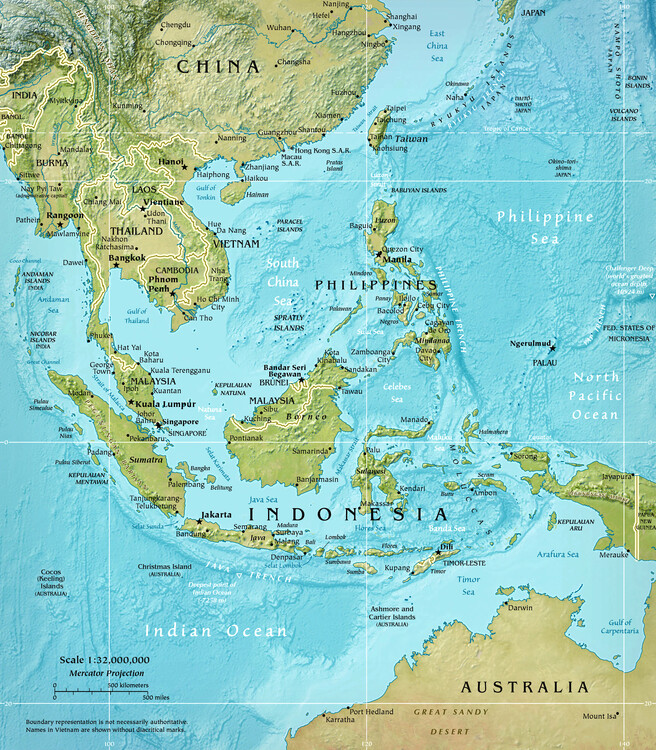
Historically, different empires gave birth to unique dialects. As you travel across Malaysia, the language shifts. The northern dialect (Penang/Kedah) sounds vastly different from the East Coast (Kelantan/Terengganu) or the Bornean states (Sabah/Sarawak).
💡 Our Recommendation
We encourage learning the Standard Johor-Riau dialect.
This is the standard version spoken in Johor, Selangor (Kuala Lumpur), and Singapore. It is your best choice for travel and formal communication.

“Where are you going?”
Textbook vs. Spoken Malay
📚 Textbook Malay

- Formal Structure: Adheres to strict grammar rules.
- Rich Vocabulary: Includes complex academic terms.
- Written Focus: Used for official documents & speeches.
- Cons: Can feel unnatural in casual conversation.
🗣️ Spoken Malay

- Everyday Usage: Fluid, natural flow.
- Colloquial: Uses slang and idioms.
- Cultural Insights: Fosters genuine connection.
- Pros: Essential for understanding local humor.